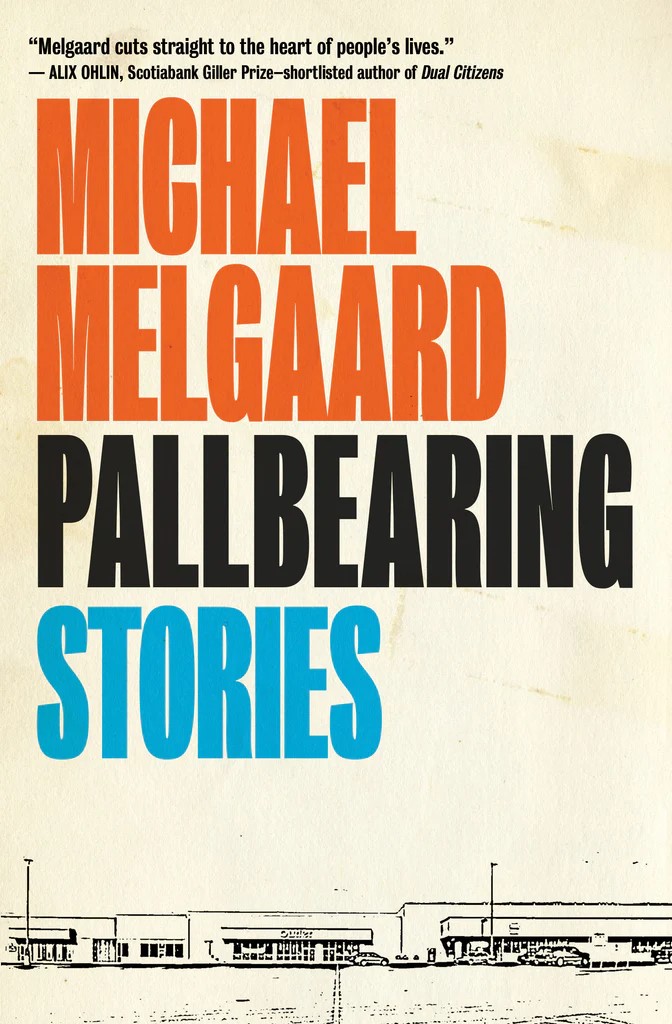
Some Thoughts About Pallbearing, Five Years Later
I tried to write the stories in Pallbearing like punk songs, not in content, but in spirit: stripped down, nothing fancy—4/4 time, verse-chorus-verse, 2:45 long, bass/drums/guitar. The stories are all plain language, not too long, linear structures. I removed anything writerly, presenting events with very little authorial intervention. The theme: nothing happens, no one learns anything.
The aesthetic framework came in reaction to working at one of the big five publishers many years ago. I was a junior editor, one of my jobs was looking over submissions. I noticed a lot of similar themes: 1) literary pieces set in known historical moments (a young man in a gulag; the wife of a famous writer or painter or mountain climber earlier in the twentieth century), or 2) first-person narrators that sounded a lot like MFA students, but who had quirky jobs (children's hospital clown, pet-cemetary grave-digger, etc.) living through the plight of modern times. There's nothing wrong with either of these aproaches—I enjoyed some, some got published—but how much of the same tone and themes I saw drove me to write in a different direction.
I had a few stories finsihed at that point and dozens more started. I went through them, looking for things out of step with what I read coming across my desk. I wanted quiet, third-person stories about the people I grew up around in my hometown—bricklayers and skids and people stuck in ruts caused by systems beyond the scope of their understanding—things that felt real and important to me to record. I tried to match the language with the content—a minimalism that mirrored the emotion of the characters. I thought of the stories as coming from a different, earlier era of writing—like how the Ramones wanted to sound like old rock and roll, I thought I'd write stories that were out of step with the time.
I'm no longer so reactive as a writer. I've moved away from the strict rules I laid out for myself in Pallbearing, but I still think these stories worked out pretty good. Some fine people said the following nice words about them:
Reviews
“With DNA traces of Raymond Carver and Kent Haruf, Michael Melgaard's Pallbearing conjures up a wallop of small-town pathos and dead-end desperation that will leave you shattered. These stories may be deceptively spare in their construction, but they are rich and abundant in their impact.” —Michael Christie, Giller Prize-longlisted author of Greenwood
“Melgaard's quiet genius, like so many Canadian short-story writers before him, is in finding remarkable drama in the mundanities that make up an unremarkable life.” — Quill and Quire
“A rich and compelling collection, Pallbearing is a powerfully restrained debut showcasing the craftsmanship and deep emotional intelligence of its author.” — Open Book
“Michael Melgaard's stories are deceptively still on their surfaces, but just below run cross-currents of the darkest human emotions: fear, rage, and love. Melgaard's debut collection features characters in desperate situations, attempting to wrangle a drop of sense out of things while accepting or standing up to their fates. The stories in Pallbearing are crisp, ruefully funny, and unsentimental, each one a portrait on a grain of rice. A wonderful debut.” —Michael Redhill, Giller Prize-winning author of Bellevue Square
“These powerful, empathetic stories are about the burdens people carry and the debts they owe — at work and at home, to their friends and family, and sometimes, heaviest of all, to themselves. With remarkable compression and insight, Michael Melgaard cuts straight to the heart of people's lives — in just a few pages I came to know these characters so well they felt like my own neighbours, and I'll remember them for a long time. This is a striking debut by a writer to watch.” —Alix Ohlin, Giller Prize-shortlisted author of Dual Citizens